 Pro Ski USA
 Pro Ski Canada
 English
 Deutsch
 Slovenščina
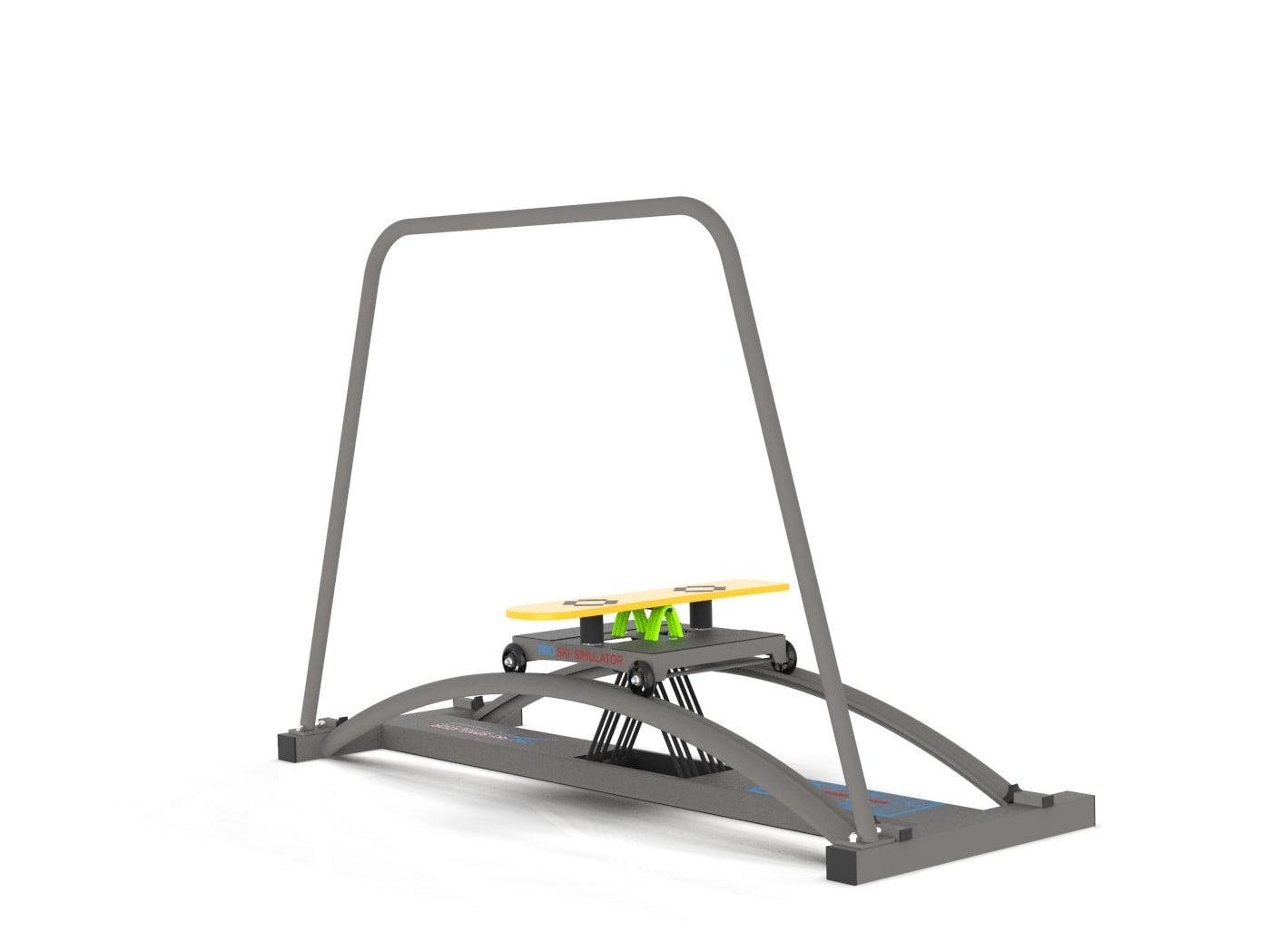
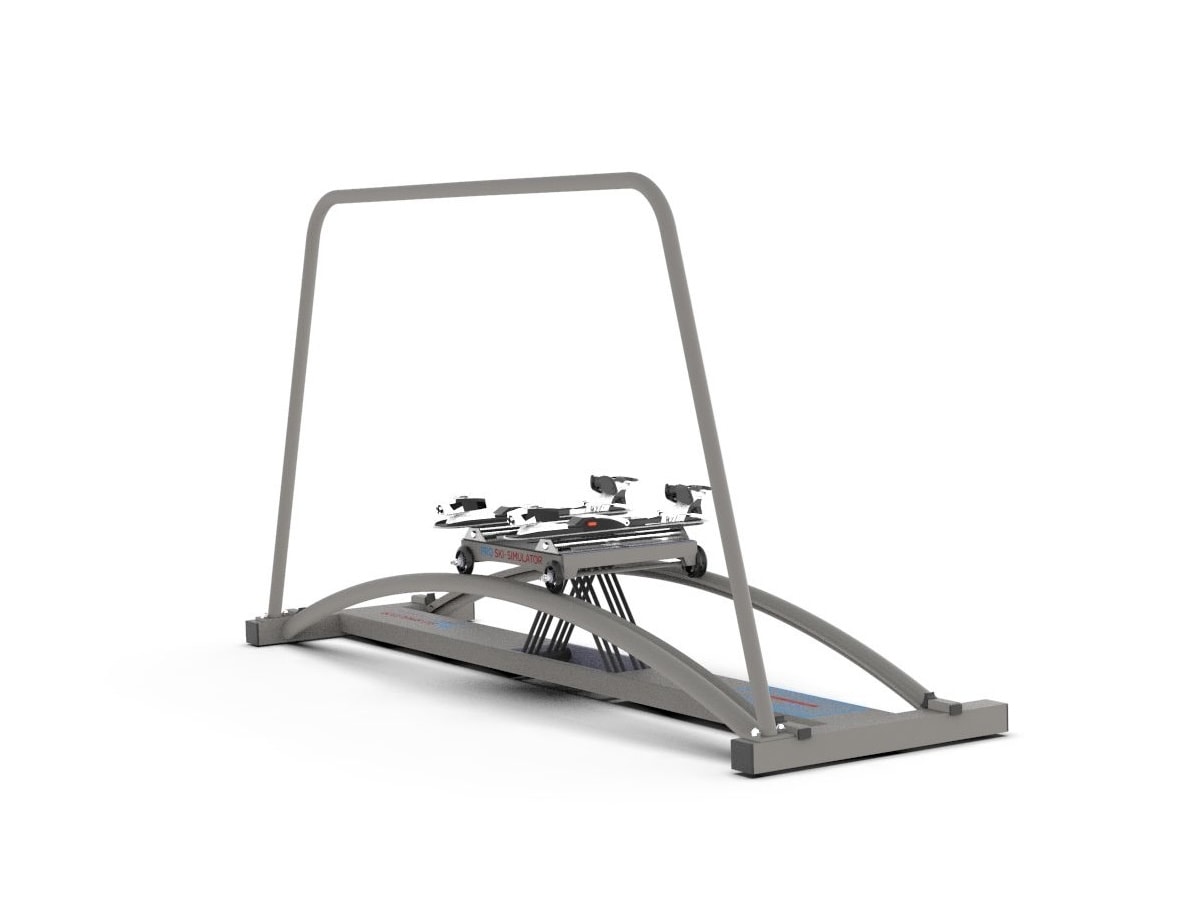
Ski simulators, explained
How a mechanical ski trainer works, what a carved turn is made of, what the training does for your body, and how to plan it — written by the people who build the machines. Free to read, no sign-up.
How a ski simulator works
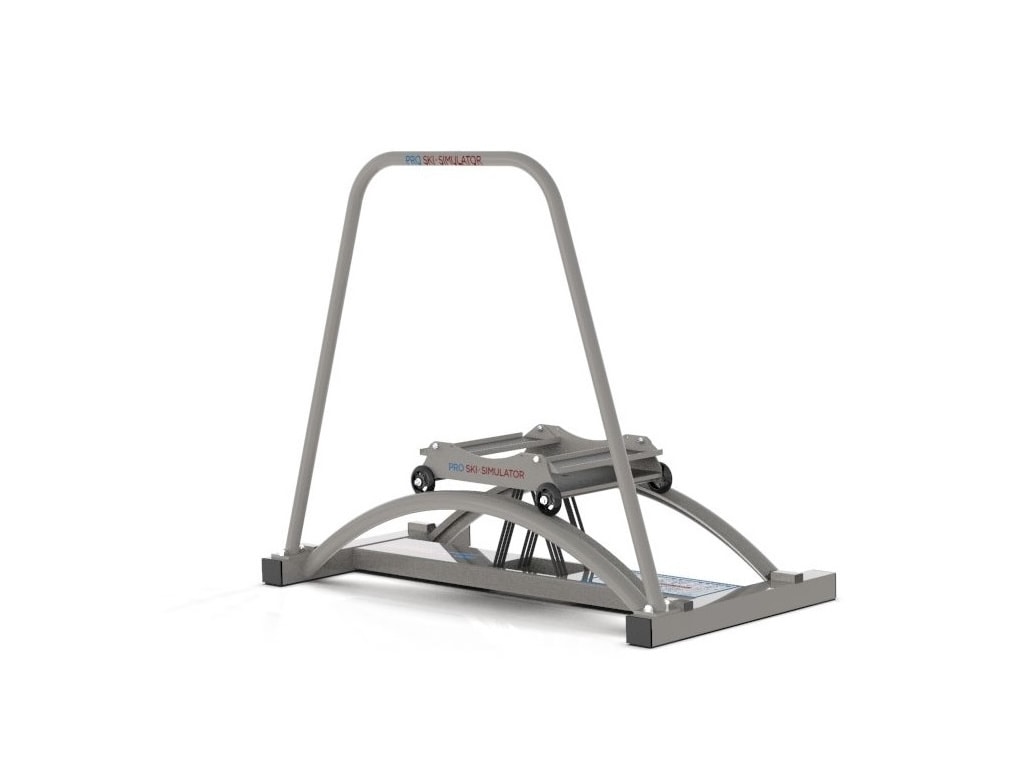
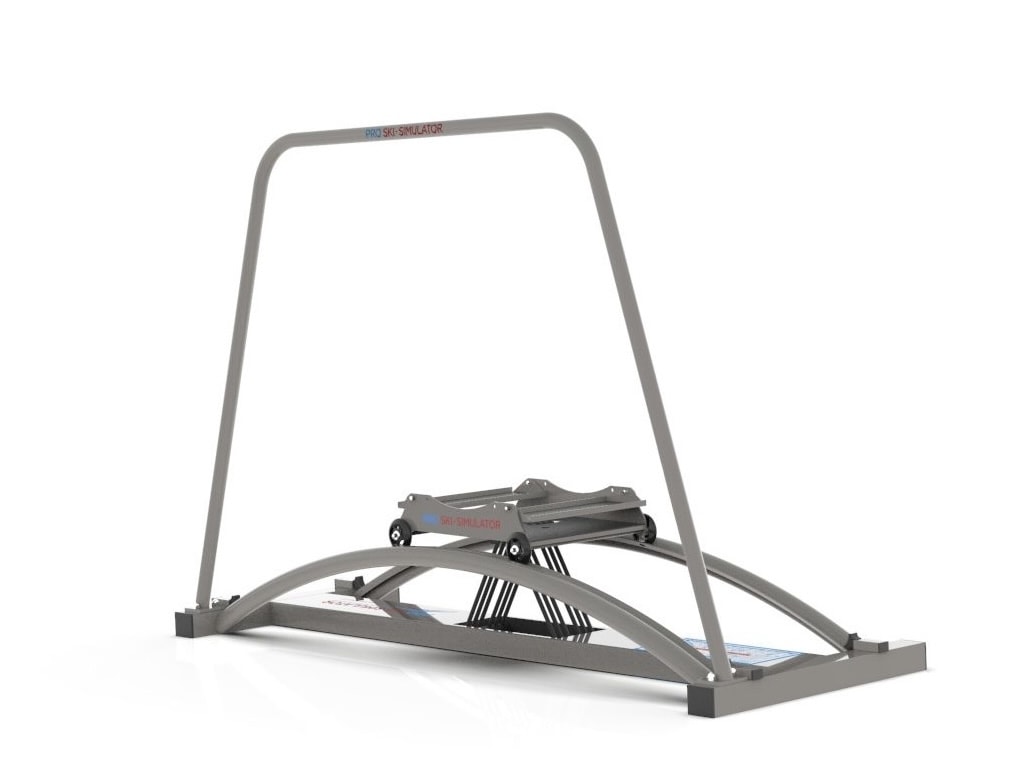
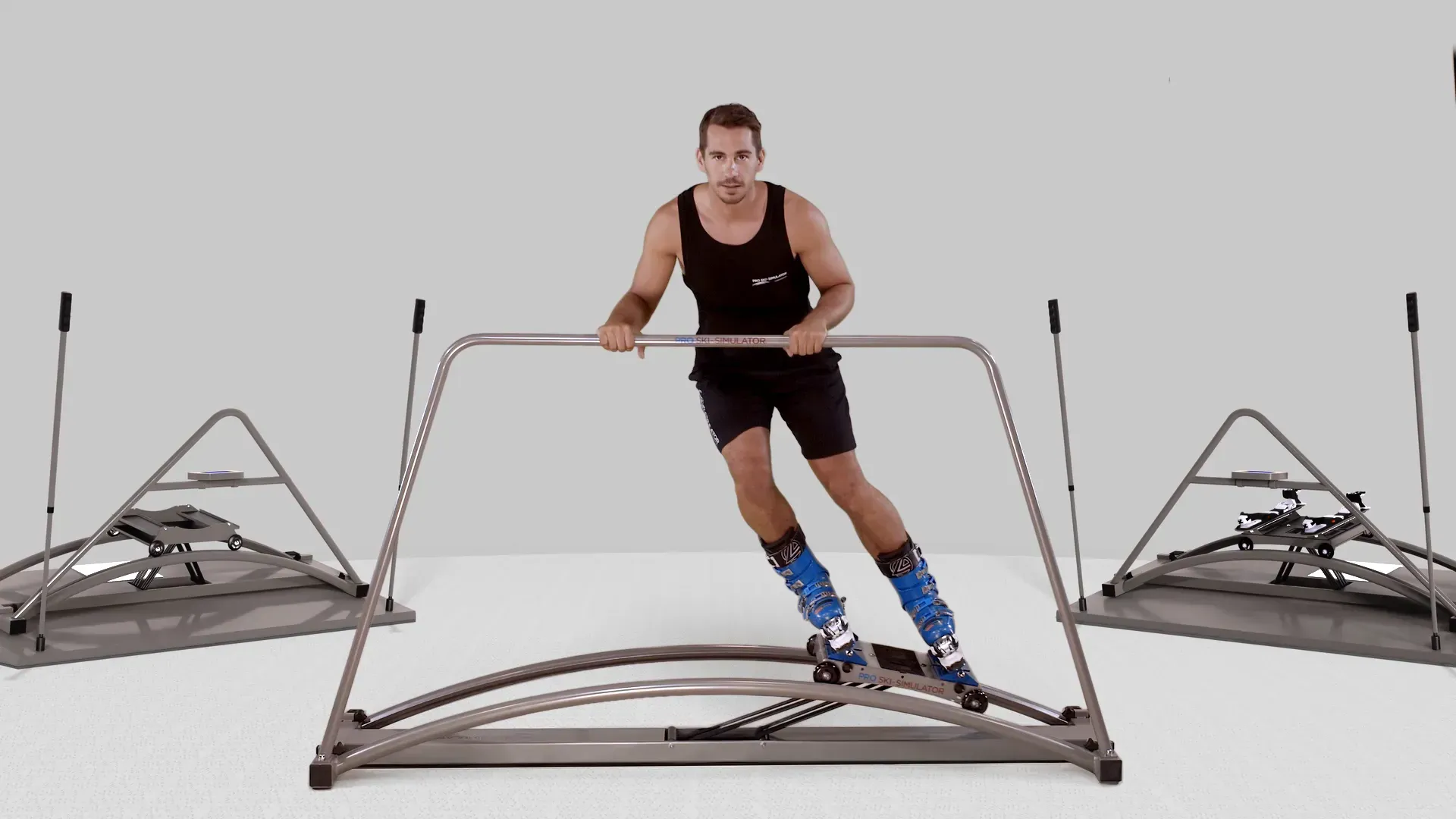
A Pro Ski has no motor. A cart rolls from side to side on a curved frame, elastic ropes pull it back to the centre, and your legs drive it — the same lateral movement that makes a carved turn on snow. This guide explains each part, what happens in a single turn, and how to choose between the fixed and the all-in-one cart.
- The four parts — frame, cart, elastic ropes, module
- One turn, step by step — push, edge, release, cross over
- Mechanical vs motorised — why nothing moves unless you move it
Everything you need to know before — and after — you buy
In-depth, practical and honest about limits. Each guide stands on its own; together they are the most complete explanation of ski simulator training we know of.
How a ski simulator works
The frame, the cart and the elastic ropes — what each part does and what happens in one turn.
Do ski simulators actually work?
The fair version of the skeptic's question, including what a simulator can't do.
Training guides
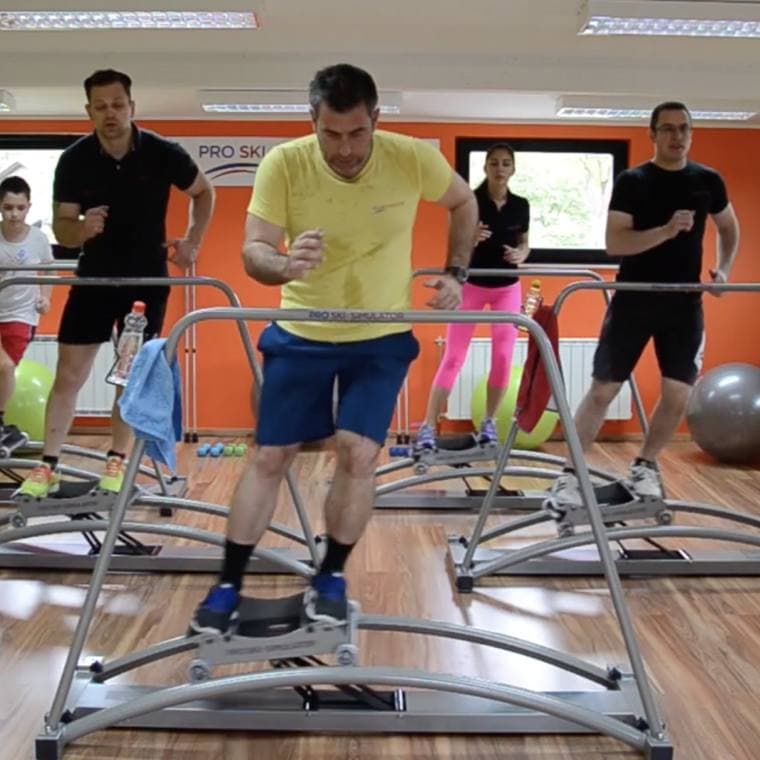
A 4-week beginner plan, a family routine and a 6-week pre-season block for racers.
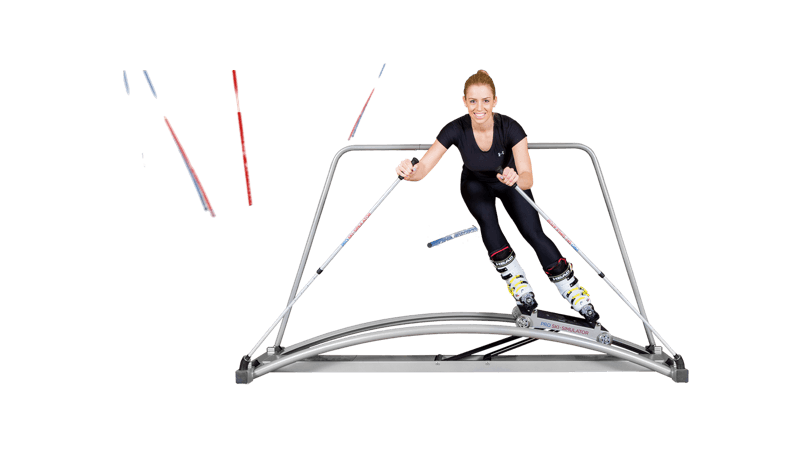
Biomechanics of skiing
Stance, balance, edging, angulation, pressure, separation and timing — and how to train each one.
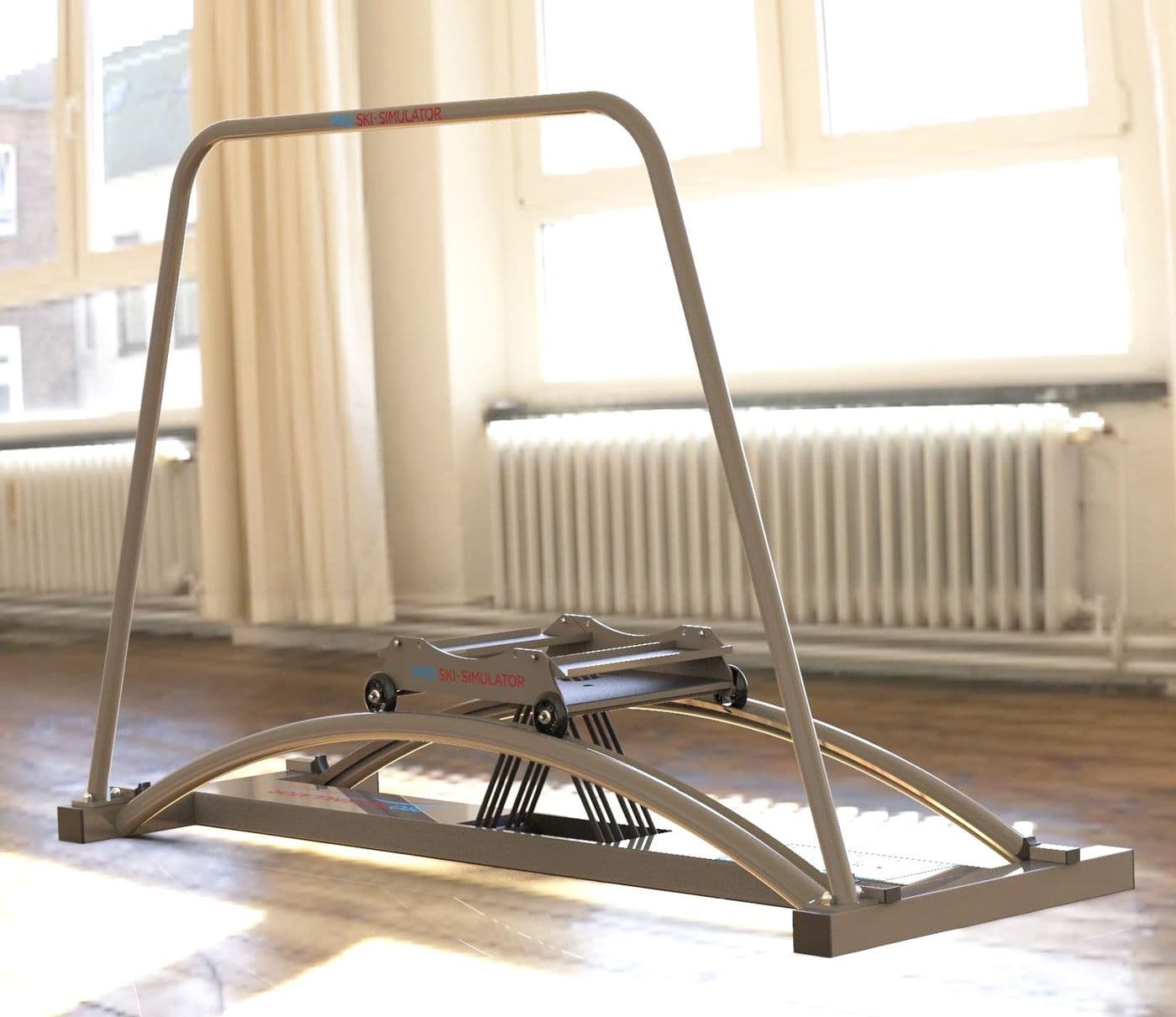
Assembly & safety
What’s in the box, how much space you need, safety rules and five minutes of maintenance.
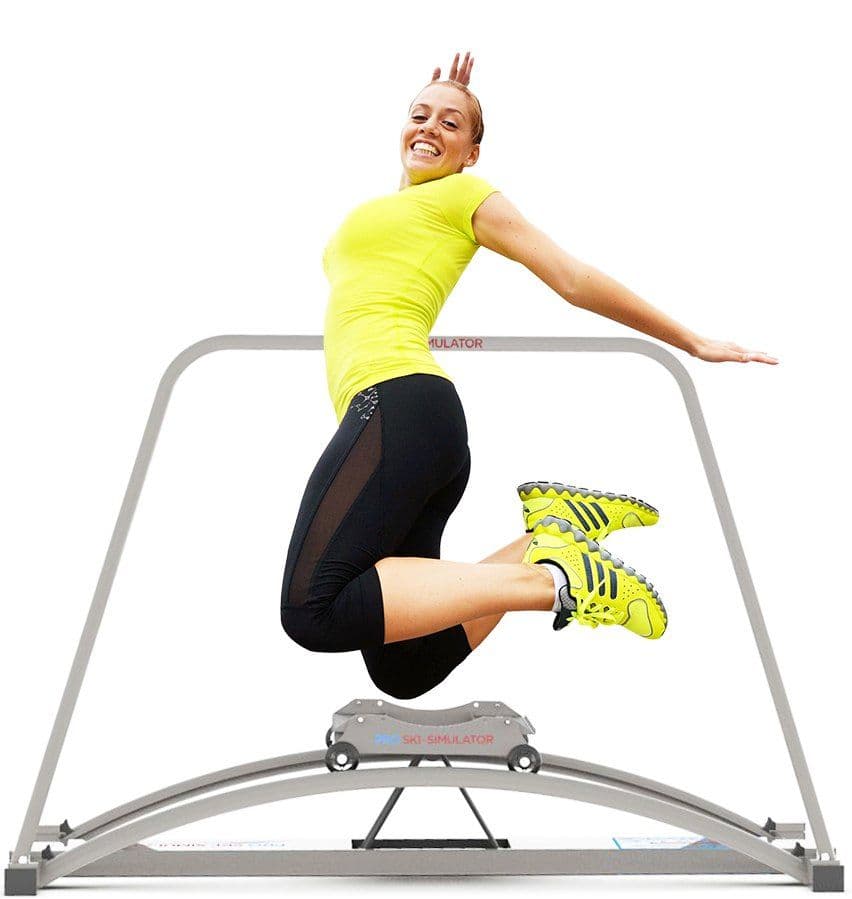
Health benefits
Low-impact, full-body and lateral — what the training does for legs, heart, balance and joints.
Missing a question?
Ask the assistant, or write to us — a person from our team answers, and good questions become new guides.
Add feedback, a game or a follow-along video
Every Pro Ski works on its own. These three add measurement, motivation and structure.
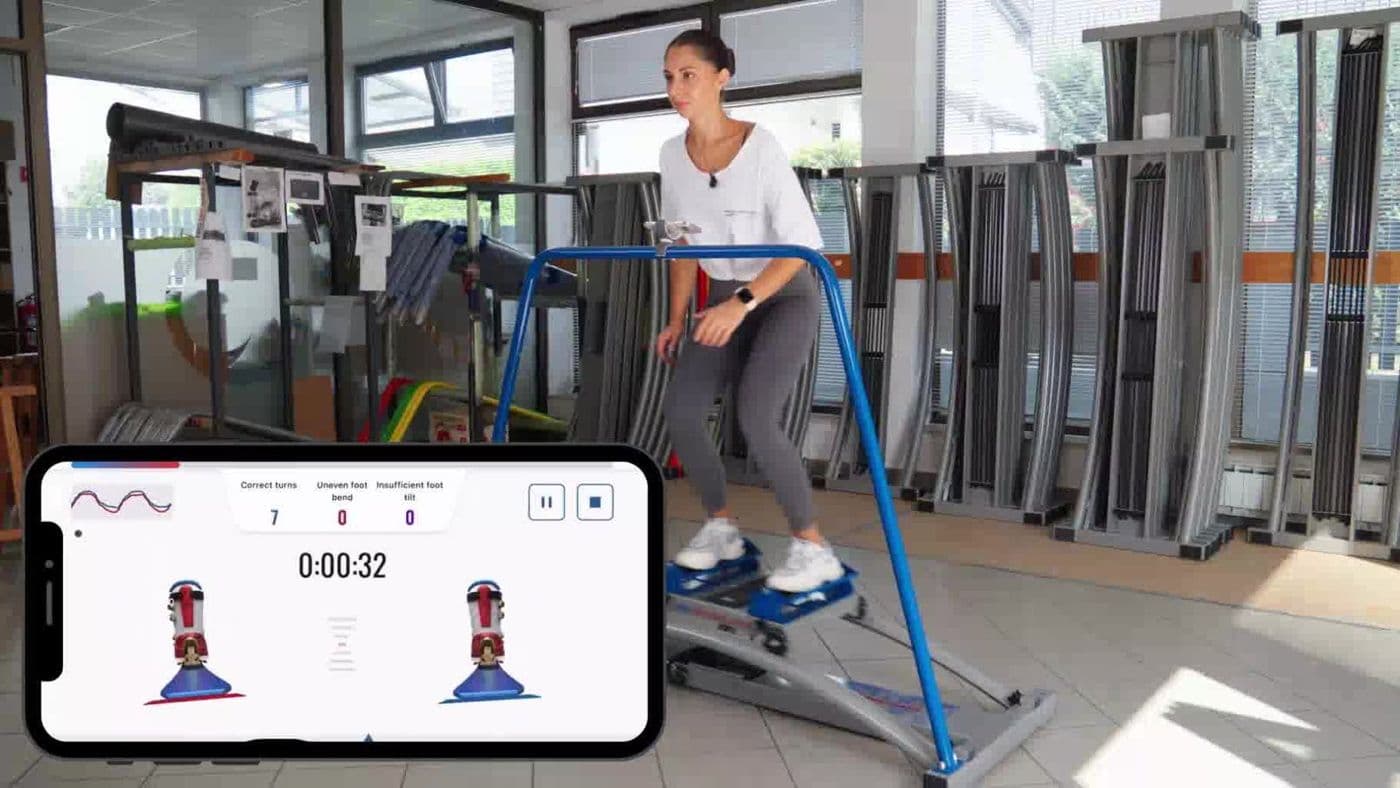
Pro Ski App
Your phone connects by Bluetooth and rates every turn — correctness, speed, footpad angles and left–right symmetry — with statistics after each session. iOS and Android. Skiing only.
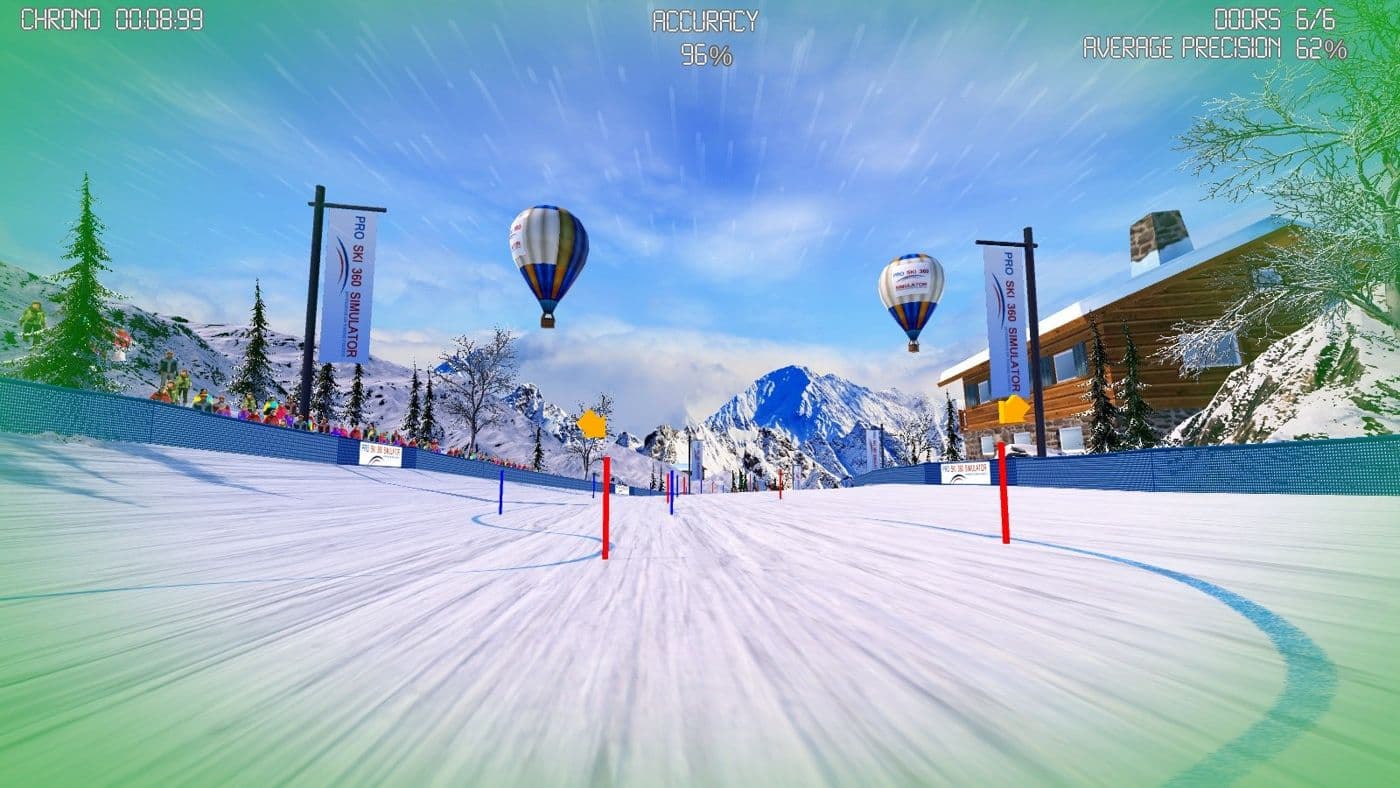
Pro Game Set 360
Downhill, slalom, giant slalom and an endless slope on your TV, steered by your turns via a Windows PC. Works with the snowboard deck too.
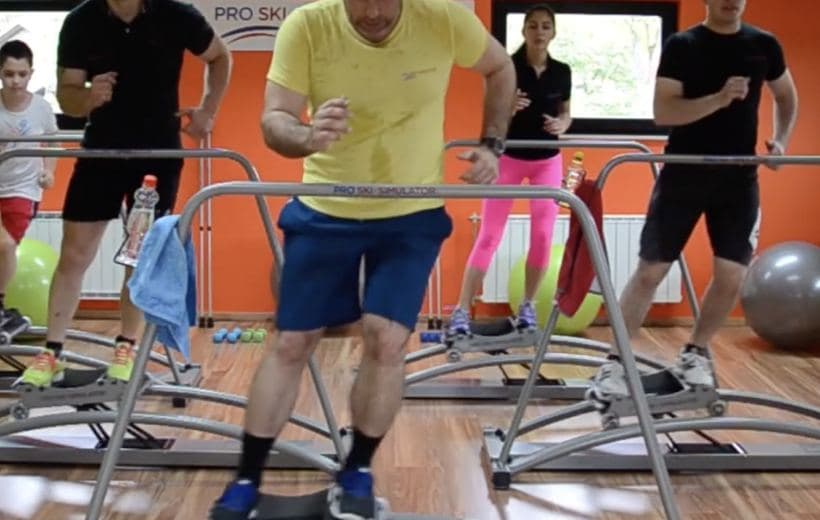
Training videos
Follow-along sessions for cardio, endurance and strength: Full Cardio, Total Power, High Cardio and Extensive Cardio.
Latest tips and stories
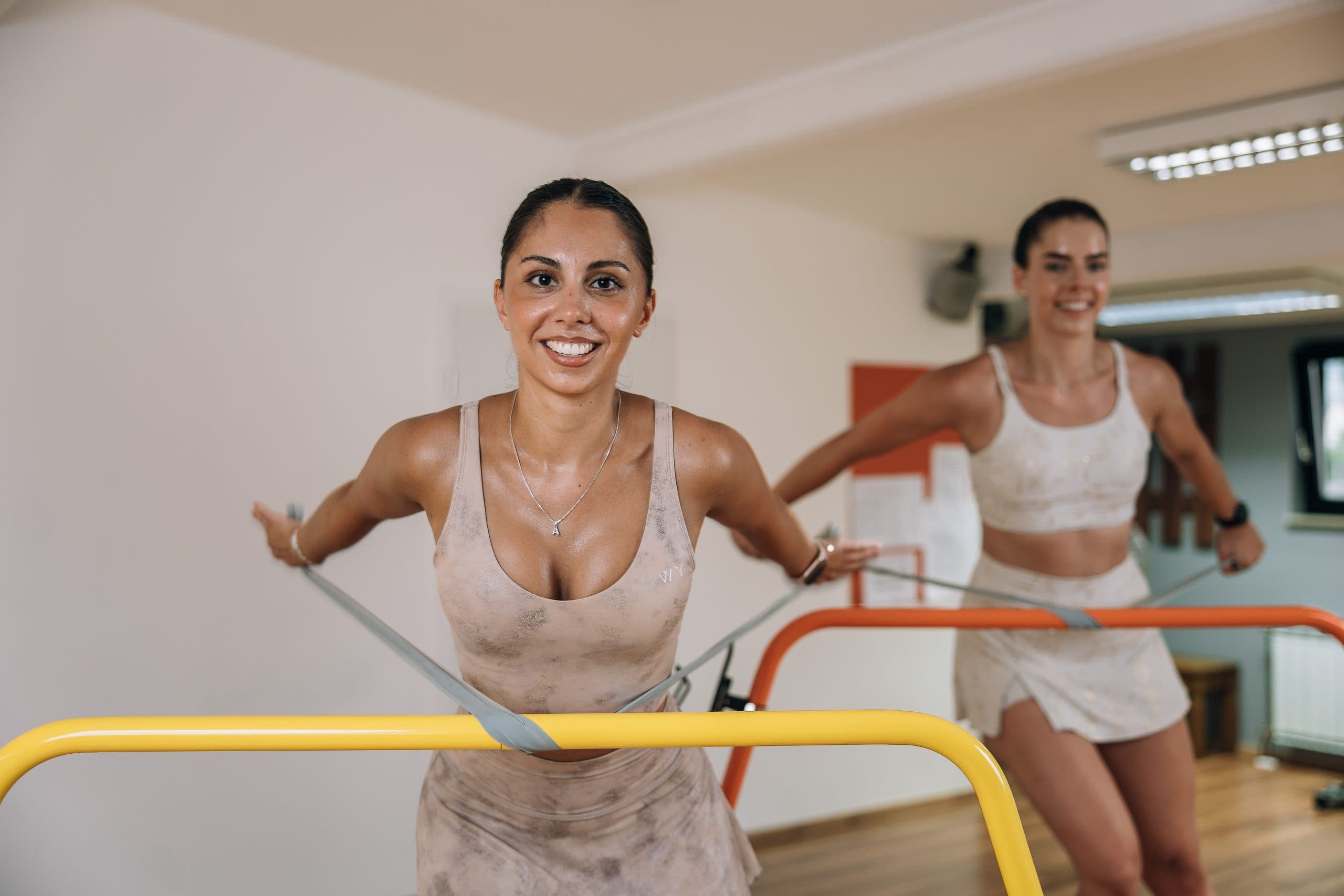
Integrated Body Shaping and Functional Fitness with Pro Ski Simulator
Why Functional Fitness Matters Today, more people are choosing functional exercises that mirror real-life movements over traditional gym workouts.
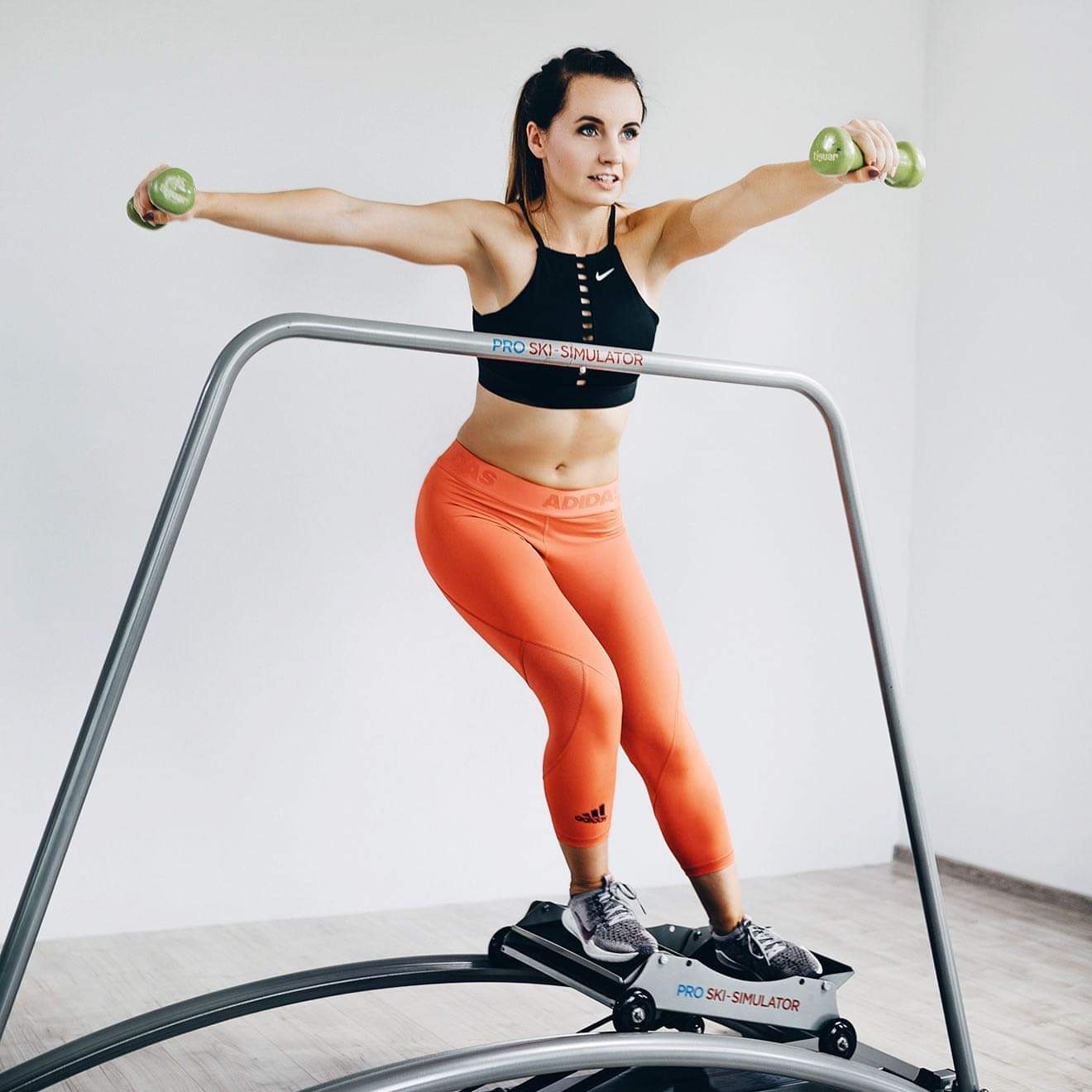
10 EssentialFood & Training Tips
1. Never Skip Breakfast Breakfast truly is the most important meal of the day. After fasting for 8 hours or more, your body craves nutrients.

5 Habits of Highly Successful People
Daily Habits of Successful People: What Sets Them Apart The daily habits of successful people are no mystery.
The words we use, in one line each
- Carved turn
- A turn made on the edges of the skis, without skidding — the movement every Pro Ski trains.
- Lateral ski trainer
- A machine that trains the side-to-side movement of skiing against resistance. A ski simulator, in short.
- Frame
- The steel base with curved rails and a hand holder. Three sizes: Junior, Classic and Power (XXL).
- Cart
- The part that rolls on the rails and carries your feet. Fixed cart (foot pedals) or modular all-in-one.
- Elastic rope set
- The ropes that pull the cart back to the centre; more ropes, more resistance. Matched to each frame.
- Module
- What you stand on: Sneakers pedals (B-type), Snowboard deck (F-type) or Ski boots bindings (P-type).
- Edging
- Tipping the skis onto their edges, starting with the ankles and knees. More in the biomechanics guide.
- Angulation
- The sideways bend at knees and hips that keeps you balanced over the outside ski at the apex of a turn.
- Tech tier
- Basic (mechanical), App (+930,00 €) or Game (+1.000,00 €). Tiers need the all-in-one cart.
- Low-impact
- Training without landing shocks — your feet stay on the platform. Health benefits.
Questions people ask first
Does a ski simulator really help my skiing?
It trains the movement pattern of a carved turn — weight transfer, edging, angulation, rhythm — and the leg, hip and core strength behind it. It doesn’t replace snow, speed or terrain, but it means you arrive on the first day with legs and technique that are already working. Our biomechanics guide explains the seven movements it trains.
Is it suitable for complete beginners and children?
Yes. Nothing moves faster than you make it move, so beginners and children set their own pace. Children use the Junior — made for children up to 145 cm and shorter adults — and always train under supervision.
How much space do I need at home?
The machine’s footprint plus room to move on each side. Assembled, the Junior measures 125 × 68 cm, the Classic 173 × 68 cm and the Power 219 × 68 cm. All models are in Assembly & safety.
Does it need electricity?
No — the machine itself is purely mechanical. Only the tech tiers need devices: your phone for the App; a Windows PC, a TV or projector and the set’s power adapter for the Game.
Know what you want?
Build your machine in three steps and see the price as you go. Not sure yet? Three questions get you a recommendation.